
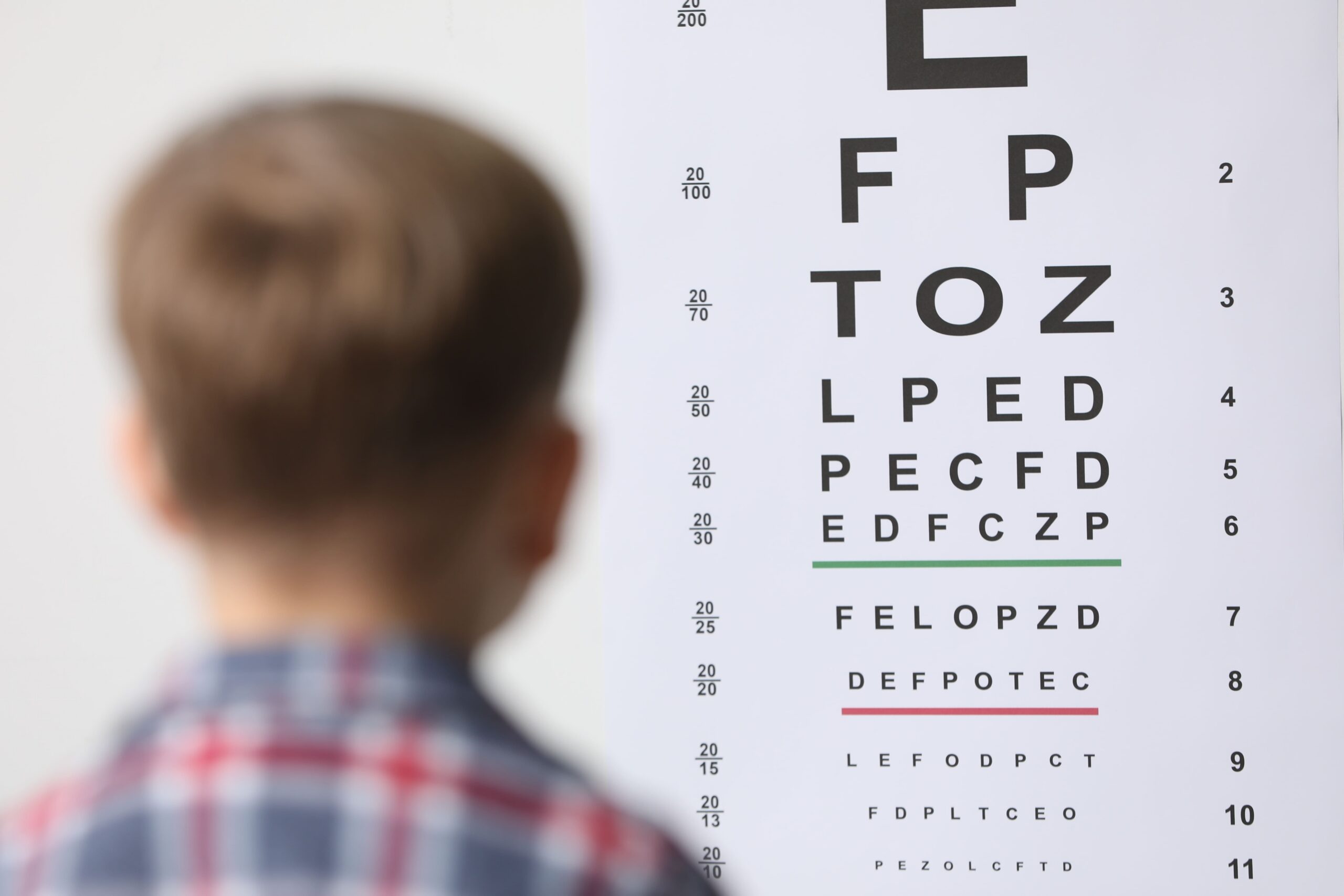
Childhood nearsightedness has become one of the fastest-growing vision concerns worldwide. More children now need glasses at younger ages, and prescriptions often worsen year after year. What once seemed like a minor inconvenience has become a major public health concern.
For many parents, the first signs appear quietly. A child squints at the classroom board. Books move closer to the face. Screen time feels easier than distance vision. Then comes the eye exam and a new word many families hear for the first time: myopia.
Myopia, also called nearsightedness, affects how clearly children see objects far away. More importantly, progressive myopia can raise the risk of serious eye disease later in life. That is why early treatment matters.
At Professional Family Eyecare, we help families in Greenville take a proactive approach to childhood myopia before prescriptions climb higher.
What Is Myopia?
Myopia develops when the eye grows too long from front to back. Instead of focusing light directly on the retina, the eye focuses images slightly in front of it. Distant objects then appear blurry while close-up vision remains clear.
Children with myopia may experience:
- Squinting
- Frequent headaches
- Holding devices very close
- Difficulty seeing the board at school
- Eye strain after reading
- Reduced performance in sports or classroom activities
Myopia often begins during elementary school years and continues progressing through adolescence. Each year of progression can increase the risk of future eye health complications.
Why Childhood Myopia Is Rising So Quickly
Doctors and researchers around the world have noticed a dramatic increase in childhood myopia over the past several decades. Some experts now describe myopia as a global epidemic.
Several lifestyle changes appear connected to this rise.
More Screen Time and Near Work
Children spend more hours focusing on nearby objects than ever before. Tablets, phones, computers, and heavy school workloads place constant demand on the focusing system of the eyes.
Long stretches of near work without breaks may contribute to faster myopia progression.
Less Time Outdoors
Outdoor play supports healthy visual development. Natural sunlight and distance viewing help reduce eye strain. Children who spend more time outside often show lower rates of myopia progression compared to children who remain indoors for much of the day.
Family History
Genetics also play a role. Children with one or both nearsighted parents carry a higher chance of developing myopia themselves. Even with genetic risk, lifestyle habits still influence how quickly myopia progresses.
Why Myopia Management for Children Matters
Many parents believe stronger glasses solve the problem. Glasses improve vision, though they do not stop the eye from continuing to grow longer.
Progressive myopia increases the lifetime risk of serious eye conditions, including:
- Retinal detachment
- Glaucoma
- Cataracts
- Myopic macular degeneration
Higher prescriptions place greater stress on the structures inside the eye over time. Myopia control focuses on slowing that progression during childhood, while the eyes continue to develop.
The earlier treatment begins, the better the opportunity to protect long-term eye health.
Myopia Control Options for Greenville Kids
Modern eye care offers several effective ways to slow myopia progression in children. Treatment plans vary based on age, prescription level, lifestyle, and overall eye health.
Specialty Contact Lenses
Certain soft contact lenses and orthokeratology lenses help slow the progression of nearsightedness while providing clear vision throughout the day.
Orthokeratology, often called Ortho-K, uses specially designed lenses worn overnight to gently reshape the front surface of the eye. Children remove the lenses in the morning and enjoy clear daytime vision without glasses or contacts.
Lifestyle Changes
Simple daily habits can support healthier vision development:
- Spend more time outdoors
- Follow the 20-20-20 rule during screen use
- Reduce prolonged near work without breaks
- Maintain regular pediatric eye exams
Small adjustments early in life can support healthier visual habits for years to come.
Pediatric Eye Exams in Greenville
Children do not always realize their vision has changed. Many assume blurry distance vision feels normal because they have adapted gradually over time.
Routine pediatric eye exams help detect myopia early before it begins interfering with learning, sports, and daily life. Early diagnosis also gives families more treatment options while progression remains manageable.
At Professional Family Eyecare, we work closely with Greenville families to monitor childhood vision changes and create personalized myopia management plans. Our goal reaches beyond stronger glasses. We want to help protect your child’s long-term eye health.
If your child struggles to see distant objects clearly or their prescription continues increasing each year, now is a good time for a comprehensive eye exam.
Book your child’s eye exam with Professional Family Eyecare today and learn more about modern myopia control options in Greenville.